
Lockheed Martin’s planned $3.45 billion acquisition of Ultra Maritime
is not just a defense industry deal. It is a clear signal that undersea
warfare has moved to the center of great-power competition.
Ultra brings acoustic sensors, sonobuoys, towed-array expertise,
autonomous sensing, and torpedo countermeasure technology into one of
the world’s largest defense primes. The result is simple: ASW is
becoming more integrated, more networked, and more prime-driven.
For allied navies, this may strengthen industrial capacity and
long-term supply. For the wider market, it raises a harder question: are
we building resilience, or are we concentrating too much undersea
innovation inside a few giant primes?
The ocean is getting more connected. The undersea domain is getting
more contested. And the winners may be the forces that can sense, fuse,
decide, and act fastest.
Lockheed Martin’s move to acquire Ultra Maritime from Advent
International for $3.45 billion is far more than portfolio expansion. It
is a strategic undersea land grab in the acoustic layer of modern naval
warfare.
For years, ASW was treated like a specialist discipline. Important,
yes. Urgent, not always. That was comfortable thinking. It was also
dangerous.
China’s submarine expansion, Russian Arctic activity, quiet
diesel-electric boats, AIP propulsion, seabed infrastructure threats,
and vulnerable sea lines of communication have changed the equation. If
you cannot detect the threat, you do not control the sea.
Ultra Maritime gives Lockheed Martin a stronger position in the
“find” part of the find-to-strike chain. That matters.
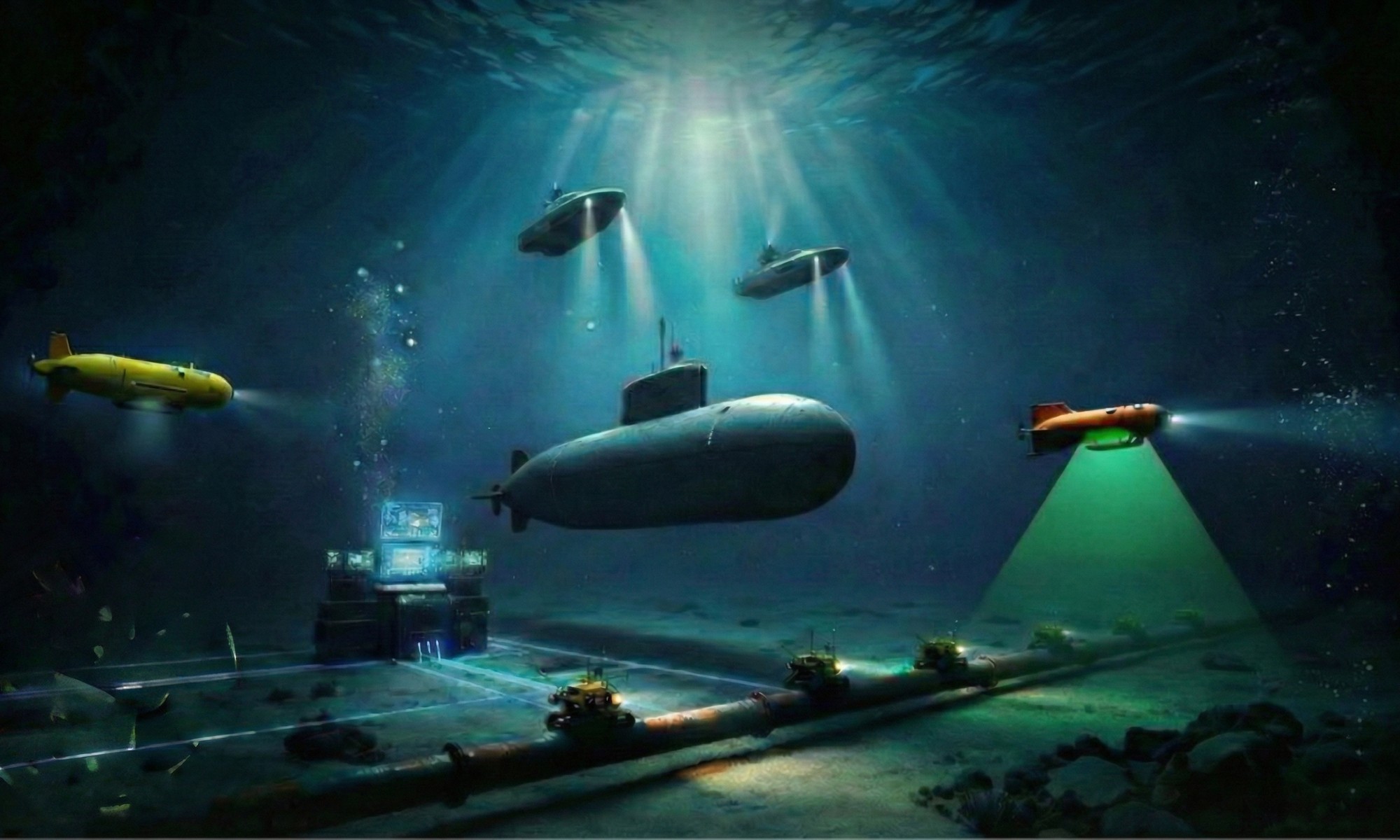
Sonobuoys are no longer just expendable listening devices dropped
from aircraft. They are becoming nodes in a distributed acoustic
network. Add unmanned aircraft, USVs, UUVs, edge processing, AI-enabled
classification, and multistatic tactics, and the traditional ASW picture
starts to look very different.
This is where the acquisition gets interesting.
Lockheed already lives close to the platforms: helicopters, mission
systems, aircraft, command networks. Ultra brings the underwater ears.
Put those together and you get a more vertically integrated undersea
architecture.
Good news? Yes, for scale, supply chain strength, and allied
interoperability.
Bad news? Possibly, if independent undersea specialists keep
disappearing into prime contractor structures.
The uncomfortable lesson is this: Undersea superiority will not
belong only to the navy with the quietest submarine or the biggest
fleet.
It will belong to the force that can deploy sensors faster, process
acoustic data closer to the edge, and turn detection into decision
before the other side knows it has been found.
The $3.45B message is clear.
The future of ASW is not just underwater. It is networked.
And it is becoming prime territory.
#StrategicPings #UnderseaWarfare #ASW #Sonar #Sonobuoys
#UltraMaritime #LockheedMartin #NavalWarfare #MaritimeSecurity
#AutonomousSystems
Originally published in the Strategic Pings ))) newsletter on LinkedIn on 2026-07-10. Subscribe there to get new editions first.