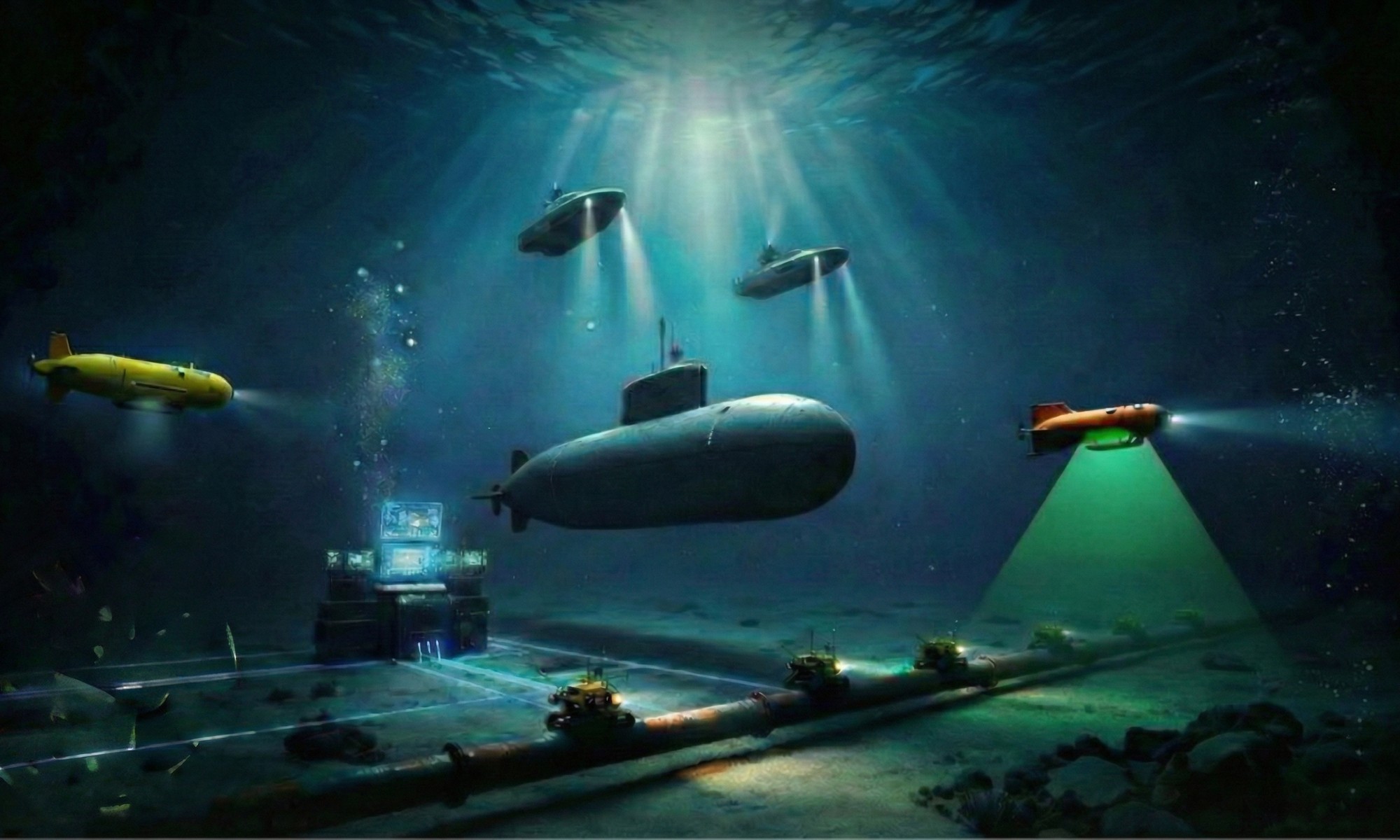

MINWARA 2026 really underlined that mine warfare is shifting from platform-centric “minehunters” to networked, data‑driven undersea awareness built on autonomy, AI, and better integration across the whole stack.

From minehunting to undersea awareness
The 2026 theme in San Diego centered on “Enhanced Undersea Awareness: Achieving Tactical Dominance in Mine Warfare,” explicitly broadening the conversation beyond traditional MCM into the wider undersea kill chain. This framing puts equal weight on sensing, data fusion, and decision support as on the physical act of hunting and neutralizing mines.
Autonomy is now assumed, not aspirational
USVs and AUVs are no longer side notes; they are the default architecture for future MCM concepts of operations, with industry and government using the symposium as a venue to showcase unmanned solutions. Discussions and exhibits emphasized reliability of the entire autonomy stack (comms, collision avoidance, power, and onboard processing) as a prerequisite for real operational adoption.
Sonar is no longer the only sensor in town
Sonar and synthetic sidescan are no longer the only stars of the show because modern MCM problems demand more than just acoustic imagery. As adversaries experiment with low‑metal, low‑acoustic‑contrast mines and complex seabed environments, navies need additional phenomenology to close the detection and classification gaps. Magnetometers bring sensitivity to tiny magnetic anomalies that acoustics can miss, while electric‑field sensors exploit the subtle disturbances created by man‑made objects and platforms in the water. Together with sonar, they form a multi‑domain sensor suite that is more resilient to deception, more robust across environments, and far better at turning “maybe” contacts into confident, actionable decisions.
Data, AI, and operational integration
A recurring thread across sessions and exhibitors was operational data management: how to ingest, govern, and exploit sensor data at scale so AI/ML (ATR) can actually deliver trusted target recognition and decision support. The mine warfare community is clearly aligning with broader defense trends around “trusted AI,” rugged edge compute, and consistent software stacks from data center to forward nodes.
Ecosystem and collaboration
MINWARA continues to position itself as the cross‑domain hub where Navy, industry, and academia converge to align technology roadmaps with real MCM and undersea warfare problems. The 2026 event reinforced that solving mine warfare is less about a single “silver bullet” platform and more about tighter integration between sensors, autonomy, C2, and operators across services and nations.
Final thoughts
This is a very well-organized conference, and I want to thank the ladies and the people who organize it every year. Special thanks to Mark Rios for his MCM Trivia.
Originally published in the Strategic Pings ))) newsletter on LinkedIn on 2026-06-04. Subscribe there to get new editions first.